
Mammoth Metal Structures
Insulation
At Mammoth Metal Structures, we build more than structures — we build trust. We do our very best everyday to make this process as easy as we can for our clients. What better way than a "One-Stop Shop?" Reach out today and your Building Consultant will provide you with all the information and different types to choose from to insulate your metal building. Our customer service is a testament to our unwavering commitment to product quality and overall customer satisfaction.
So let's get your Mammoth Structure INSULATED today!

Every Mammoth Metal Structure has the potential to come with different insulation types as well. So, if you are looking to get some climate control in your structure, or build yourself the perfect barndominium; we can do it!
Just ask your Building Consultant today on the different options available and how they can best suit your specific needs!
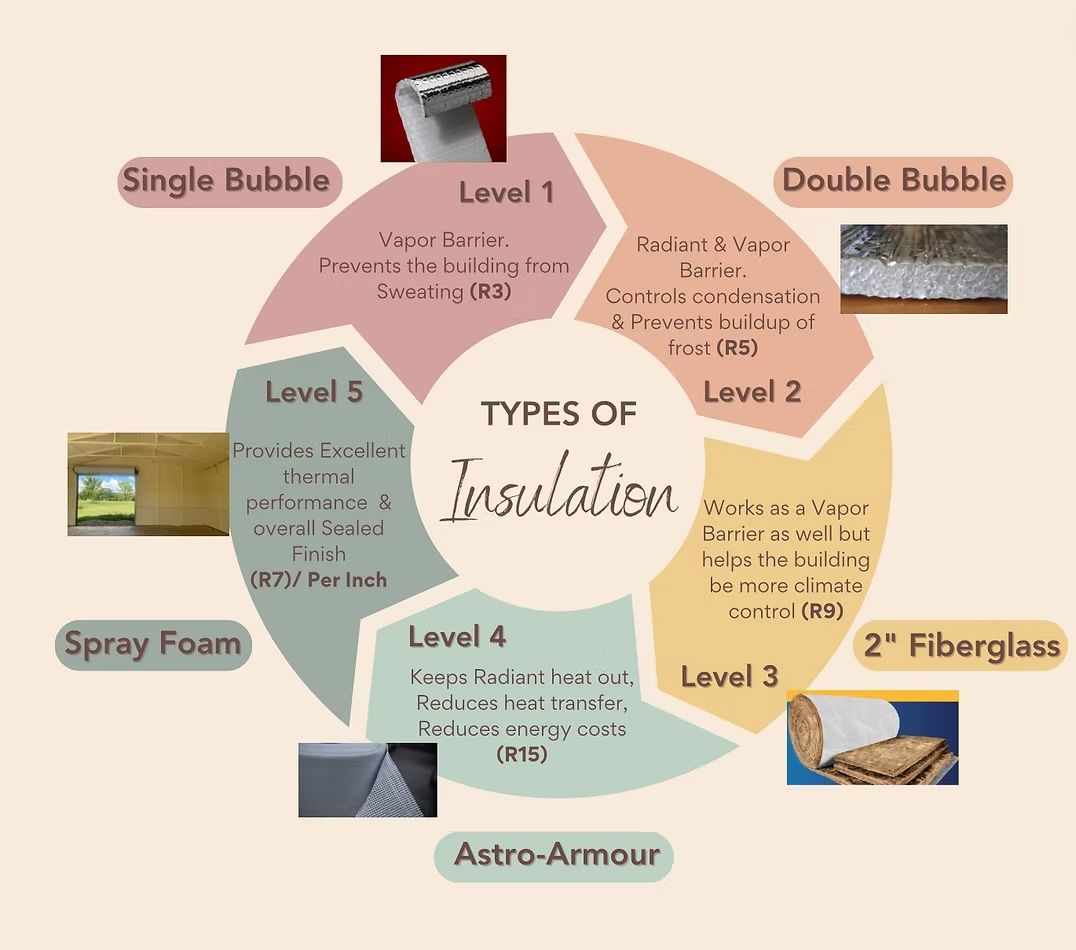
Level 1 - Single Bubble
One Layer of polyethylene industrialized air bubbles bonded between two layers of highly reflective metalized Aluminum/White polyester film. Industrialized strength, lightweight yet durable insulation designed to hold staples without tearing. Does not compress, collapse or disintegrate. Reflects 97% of radiant heat, emits less than 3% of heat, Class 1 / Class A fire rated radiant barrier that has passed the ASTM E84 test & ASTM E2599.
Non-toxic, non-carcinogenic, fiber-free, safe to handle and does not require protective clothing or respirators to install. Easy to install and maintenance free, cuts easily with utility knife or scissors and installs easier than fiberglass. Simply staple, nail or glue into place! No mess, and no itchy fibers!
Not affected by moisture or humidity. Inhibits condensation and does not promote the growth of fungi, mold or mildew. Does not promote nesting of insects or rodents.
Saves energy by reducing the stress on heating and cooling systems, keeping your home warmer in the winter, and cooler in the summer. It can reduce utility bills substantially all year round.
Made in USA / Ships from USA / Meets all International and USA Fire Codes / Nominal thickness is 1/8 inch.
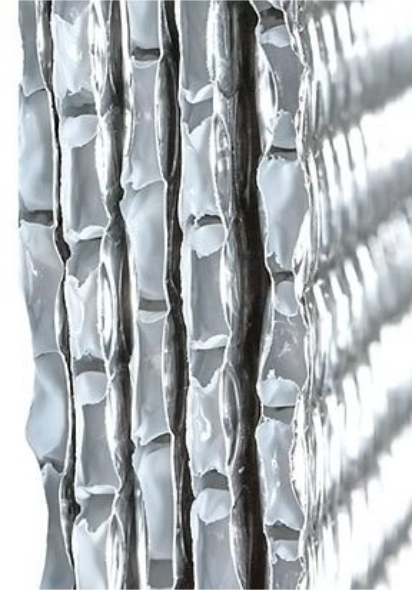
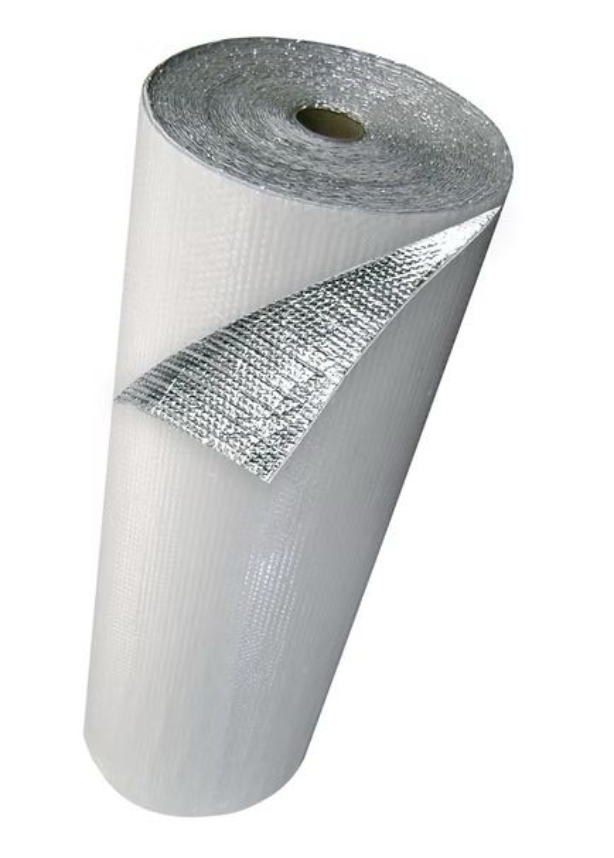
Single Layer of Bubbles
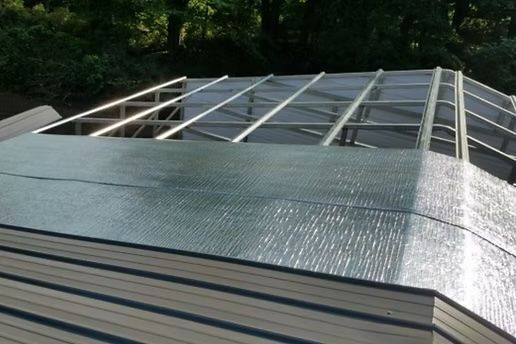
Reflective Side Outwards
INSULATED BETWEEN FRAMEWORK AND PANELS
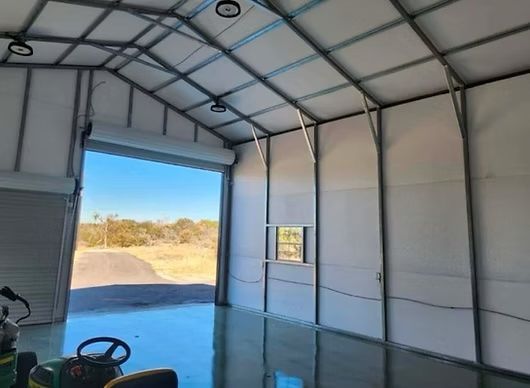
Level 2 - Double Bubble
Two layers of polyethylene industrialized air bubbles bonded between two layers of highly reflective metalized aluminum polyester film. Industrialized strength, lightweight yet durable insulation designed to hold staples without tearing. Does not compress, collapse or disintegrate. Reflects 97% of radiant heat, emits less than 3% of heat, Class 1 / Class A fire rated radiant barrier that has passed the ASTM E84 test & ASTM E2599.
Non-toxic, non-carcinogenic, fiber-free, safe to handle and does not require protective clothing or respirators to install. Easy to install and maintenance free, cuts easily with utility knife or scissors and installs easier than fiberglass. Simply staple, nail or glue into place! No mess, and no itchy fibers!
Not affected by moisture or humidity. Inhibits condensation and does not promote the growth of fungi, mold or mildew. Does not promote nesting of insects or rodents.
Saves energy by reducing the stress on heating and cooling systems, keeping your home warmer in the winter, and cooler in the summer. It can reduce utility bills substantially all year round.
Made in USA / Ships from USA / Meets all International and USA Fire Codes / Nominal thickness is 1/4 inch.
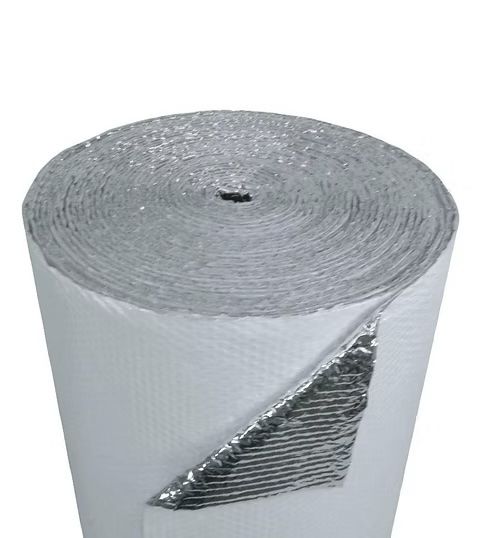
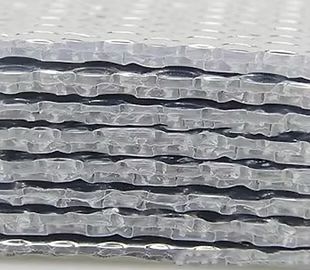
Double Layer of Bubbles
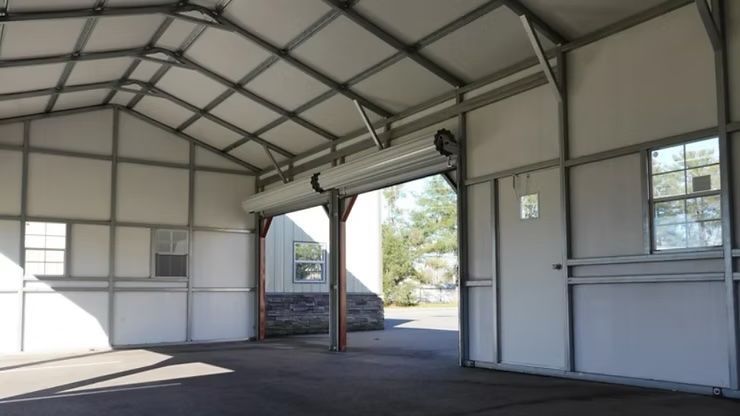
INSULATED BETWEEN FRAMEWORK AND PANELS
Level 3 - 2" Fiberglass
Fiberglass insulation is constructed from fibers of glass spun together to form a blanket. When the fiberglass is heavily compressed, it becomes a more efficient insulator due to its ability to stop conduction.
The benefits of fiberglass insulation don't stop there! R-Value, the measure of resistance to heat flow through a given thickness of material, is an important factor when determining the proper amount of insulation needed for your metal building.
Fiberglass is an excellent insulator and has been widely used in the United States for decades in all types of construction. Although fiberglass insulation is available in many forms, we recommend that you only install a product that has been specifically designed for use in steel buildings. Steel building insulation consists of blankets of woven long-strand fiberglass that are laminated on one side to a vapor-barrier facing.
Note: Even though fiberglass insulation costs more, we recommend its use in buildings that are consistently inhabited like homes or workshops. It provides superior insulation for very hot or very cold climates, saving you money if you plan to have AC or heating in your metal building.
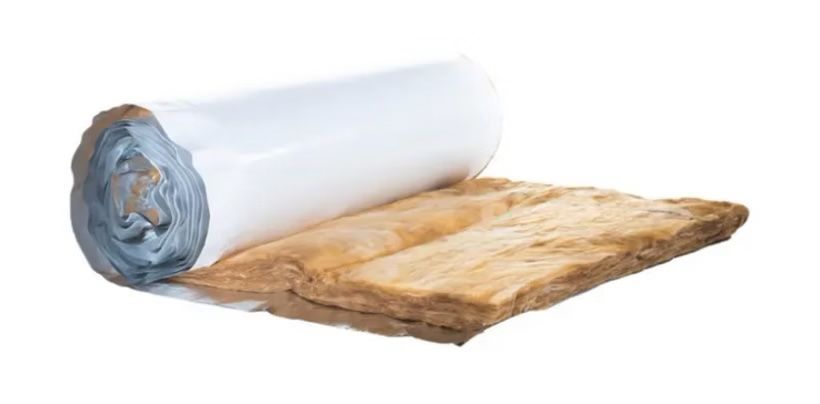
Faced With Vapor Barrier
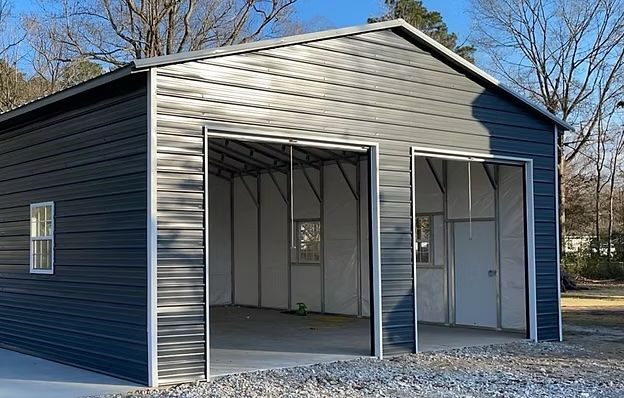
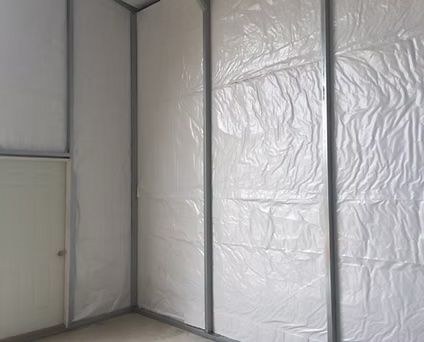
Insulated Between Framework and Panels
Level 4 - Astro Armour / Prodex
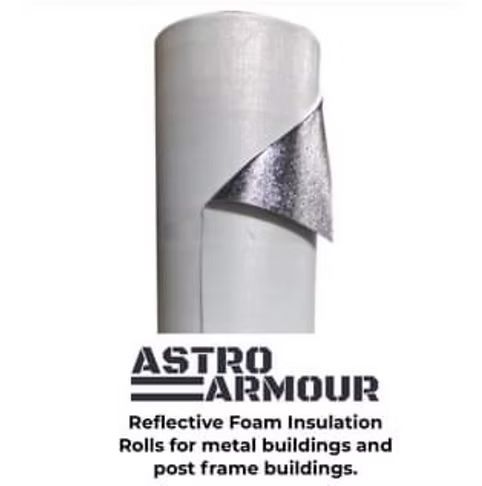
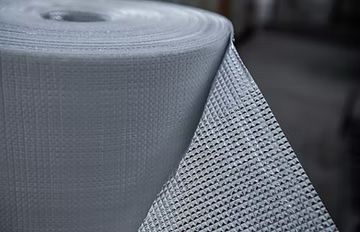
Astro-Armour is made with high density polyethylene foam sandwiched between a white woven polyethylene scrim with U.V. and thermal inhibitors on one side, and a highly reflective metalized film on the other side. The reflective side stops 95 percent of the summer radiant heat from entering buildings, and holds heat inside during the cold temperatures. The white side gives your area a nice clean look and can be high pressure washed.
Astro Armour comes with a ClassA/Class 1 fire rating and a 14.7 Downward R-value, meaning it effectively resists heat flow coming into your building.
Thoughtfully engineered for ease of use, Astro-Armour is available in 4' x 125' and 6' x 125' rolls. We offer square edge or quick seam release tape edging options.
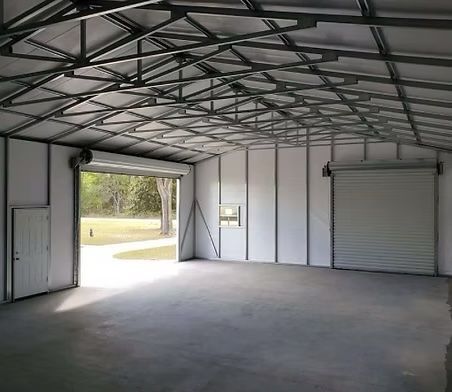
For new construction or retrofit of commercial post frame or metal buildings, Astro-Armour reflective foam insulation rolls are the newest and best insulation material on the market.
Level 5 - Spray Foam
This type of insulation is sprayed directly onto the metal panels and expands to fill any gaps or voids. It provides excellent thermal insulation and can help prevent air infiltration. Offered in 2” or 1”.
Closed Cell Spray Foam Insulation:
- R-value: 14 (2″ Closed Cell)
- R-value: 7 (1″ Closed Cell)
Spray foam insulation (SPF) is a great way to improve the energy efficiency of metal buildings. It is an effective solution for improving the structural integrity and rigidity of metal walls and roofs. It also helps regulate temperature and reduce condensation.
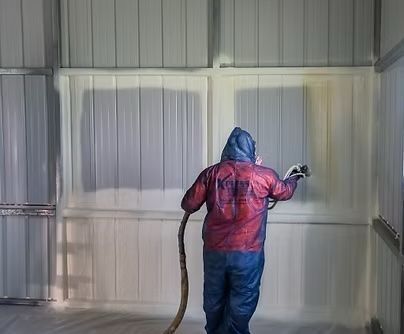
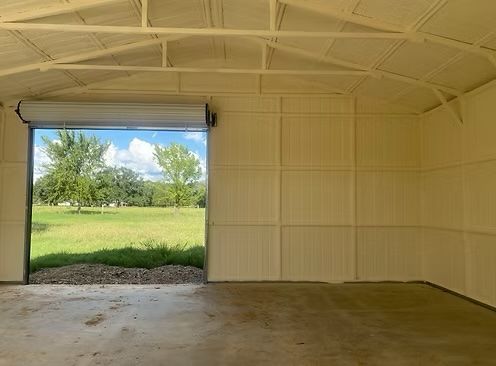
2" Spray
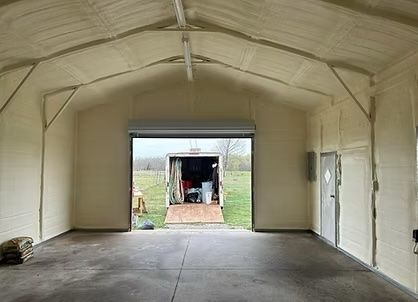
Insulated Directly ONto Metal Panels
The specifics of these insulation options, vary depending on (but not limited to) the client's location, the selected type, and any specific needs that the client is trying to accomplish.
All specifics will be provided to you during your consultation with your Building Consultant.
Remember, all of our options are designed with you in mind — sturdy, timeless, and as reliable as our
Mammoth Structures.
Control Temperature and Stop Condensation Damage
Metal building insulation installation in Greensboro for new builds and retrofit projects that improve energy efficiency and climate control.
Metal buildings in Greensboro experience temperature swings and condensation problems when interior air meets cold metal surfaces during winter months or when humidity is high. Insulation reduces heat transfer, controls moisture buildup, and makes the building more comfortable if you use it as a workshop, office, or storage space for temperature-sensitive equipment and materials.
Mammoth Metal Structures installs insulation in new metal buildings during construction and retrofits existing structures that were built without it. You can choose from fiberglass batts, spray foam, or reflective insulation systems depending on your budget and climate control needs. The insulation is installed between the metal panels and the interior finish, and vapor barriers are added to prevent moisture from reaching the metal surfaces.
If you have a metal building in Greensboro that needs better temperature control or moisture management, reach out to discuss insulation options and installation timing.
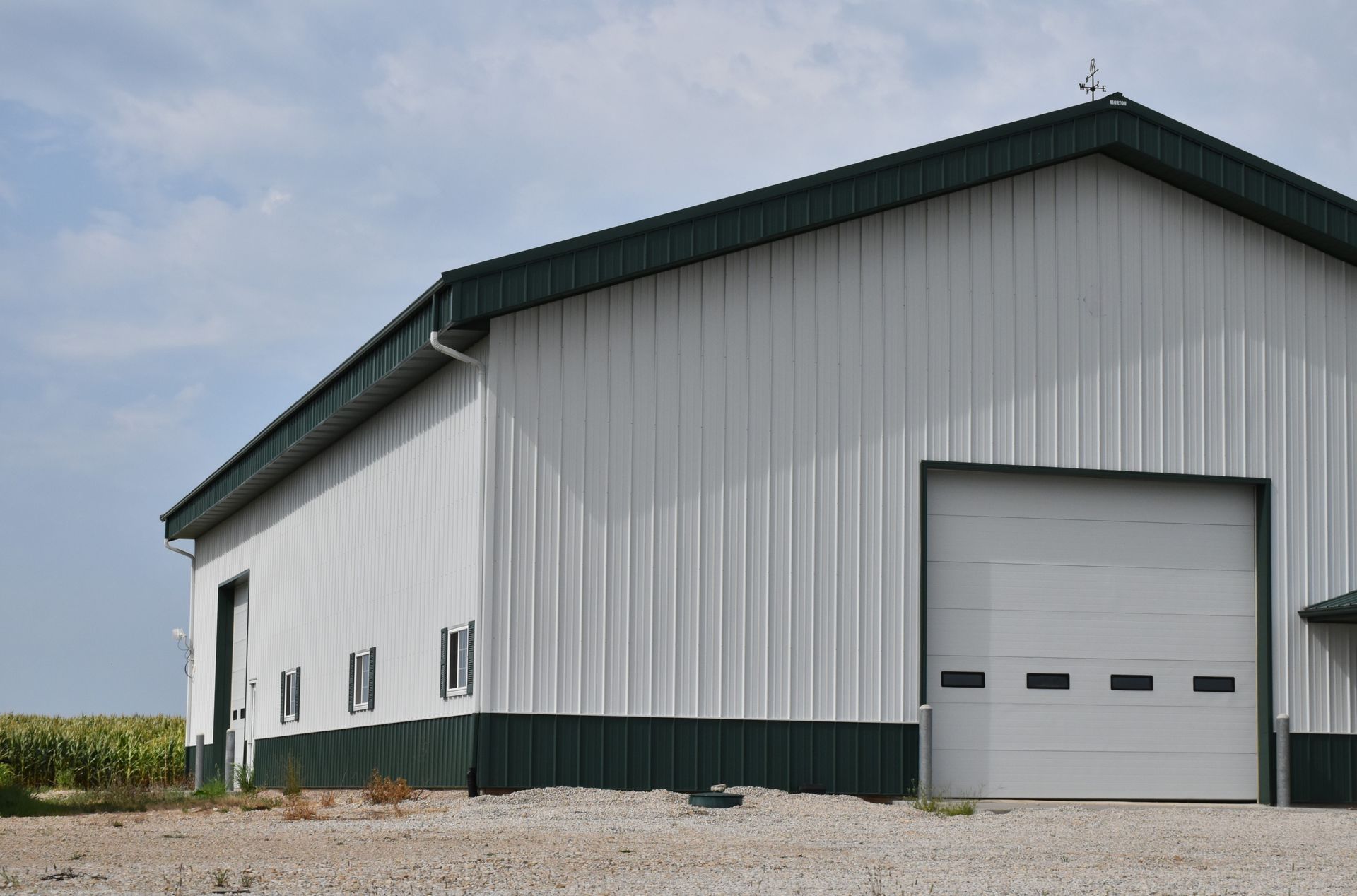
Why Insulation Matters in North Carolina Climate
Insulation installation involves measuring the building interior, cutting insulation to fit between wall and roof panels, and securing it with fasteners or adhesive to prevent sagging or gaps. In Greensboro, humidity and temperature fluctuations make vapor barriers essential to prevent condensation from forming on the inside of the metal panels, which can lead to rust, mold, and water damage over time.
After insulation is installed, you will notice a more stable interior temperature, less condensation on metal surfaces during cold mornings, and lower energy costs if you heat or cool the building. The insulation also reduces noise from rain and wind, which makes the space more comfortable for working or storing equipment.
Retrofit installations take longer than new build insulation because the interior must be accessed without damaging existing panels, but the process is straightforward and can be completed while the building remains in use. Insulation improves the longevity of the structure by protecting the metal from moisture-related corrosion.
Things People Want to Know About Insulating Metal Buildings
Here are the questions Greensboro property owners ask most often when they are deciding whether to add insulation to a metal building.
What type of insulation works best for metal buildings?
Fiberglass batts are common for budget-conscious projects, while spray foam provides better air sealing and moisture control at a higher cost. Reflective insulation systems work well in hot climates to reduce radiant heat, and the best option depends on how you use the building and your budget.
How does insulation reduce condensation inside a metal building?
Insulation keeps interior air from reaching cold metal surfaces, which prevents moisture in the air from condensing into water droplets. A vapor barrier installed with the insulation stops humid air from passing through and contacting the metal, which reduces rust and mold growth over time.
Why do metal buildings feel hotter in summer without insulation?
Metal conducts heat quickly, so the roof and walls absorb sunlight and radiate heat into the interior, which raises the temperature inside the building. Insulation blocks heat transfer and keeps the interior cooler, especially when combined with proper ventilation.
What is the difference between new build and retrofit insulation?
New build insulation is installed during construction before the interior panels are attached, which makes the process faster and less expensive. Retrofit insulation requires accessing the space between existing panels, which takes more time but delivers the same climate control benefits.
How much does insulation lower energy costs for a heated or cooled metal building?
Insulation can reduce heating and cooling costs by thirty to fifty percent depending on building size, insulation type, and how well the building is sealed. You will notice the biggest savings during temperature extremes when the system would otherwise run continuously to maintain comfort.
Metal building insulation installation in Greensboro controls temperature, prevents condensation damage, and makes your building more comfortable and functional year-round. Mammoth Metal Structures installs insulation in new builds and existing structures to improve energy efficiency and protect your investment. Get in touch to review insulation options and schedule installation.